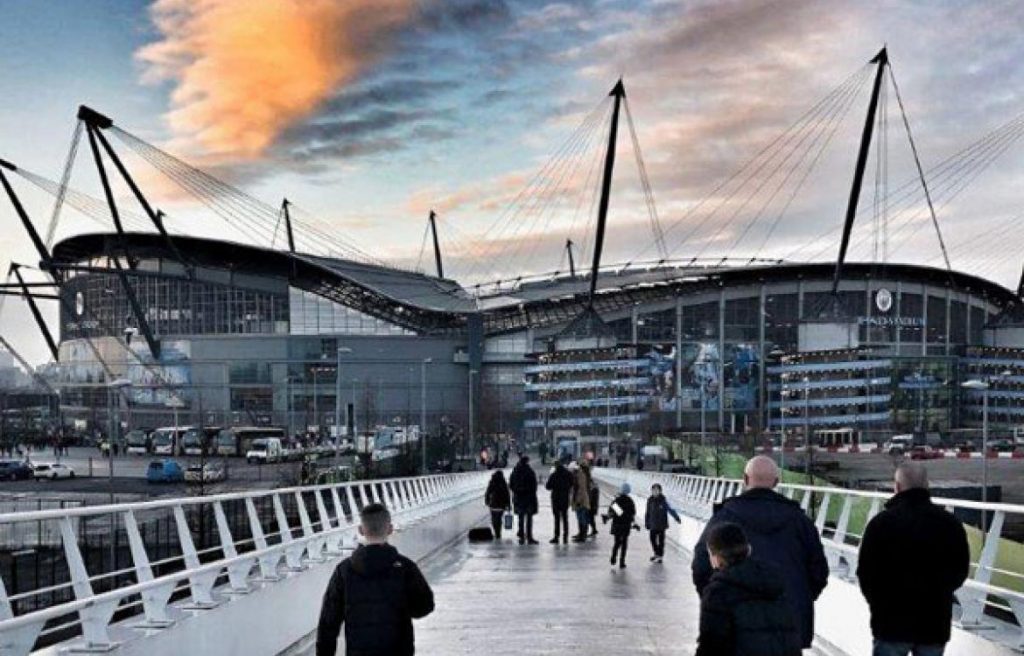
Manchester City will pay just £33,000 a year more in rent for the Etihad Stadium after an expansion that could bring the club around £11m extra every season.
According to The i Paper, Manchester City Council has agreed a new lease with the club following the Abu Dhabi-funded work that took the ground past 60,000 seats. The basic annual rent goes up by only £33,000, plus a yearly rise linked to inflation. That is an increase of less than 1 per cent.
The stadium is owned by the council, which makes local taxpayers City’s landlord. The deal lands at an awkward moment, with the relationship between local leaders and City’s owners already under the microscope.
How much do Man City pay to rent the Etihad?
Following questions from The i Paper, the council revealed that City paid £4.4m in rent for the 2025-26 season, when home crowds averaged 52,517.
Set that against what the club makes on matchdays. City generated more than £75m last year from tickets, merchandise and corporate hospitality, so the rent works out at roughly one seventeenth of their matchday revenue.
The comparison with the other big taxpayer-owned ground in English football is not kind. West Ham paid £4.6m to rent the London Stadium last year, slightly more than City, against matchday revenue of £39m, roughly half of City’s figure. Arsenal, Spurs and Everton, meanwhile, have each spent more than £1bn building grounds of their own.
What does the North Stand expansion add?
The North Stand has grown by around 7,000 seats, and the wider project, which also brought a Radisson Blu hotel and a new “entertainment destination”, cost £300m in total.
Based on last year’s £75m matchday take, those extra seats could be worth around £11m a season to the club. Fans have already seen part of the new look, with the club opening the biggest store in its history at Medlock Square this week.
The council said back in August that it would look to “vary” the lease to reflect the extra revenue. A report published quietly last month confirmed the talks were finished, but gave no further details.
The council’s side of the deal
The council points out that the rent rise is not the whole picture. It has also agreed two separate new leases for the developments around the ground: £252,000 a year for the City Square fanzone and £35,680 a year for the Medlock Square hotel and restaurant complex.
Labour figures in Manchester have repeatedly denied that City’s owners have been given favourable treatment.
‘Who did actually do our negotiating?’
Not everyone in the town hall is convinced. Sian Astley, who leads the Reform group on Manchester council, argued the new terms are poor value for taxpayers.
Astley said: “The sheer increase in bums on stadium seats would suggest the rent is way under what it should be.”
“Who did actually do our negotiating? Because councillors were never informed, there was no scrutiny of these decisions, or discussion of them. We’re all very aware now that this is how things are done in Manchester, behind closed doors,” she added.
The naming rights deal
The rent story follows an earlier report from the same paper on the stadium’s naming rights. Under the original terms, the council took 50 per cent of any naming rights income but only up to a cap of £750,000 a year, rising with inflation. The club’s 10-year Etihad Airways deal, first signed in 2011, was reportedly worth as much as £400m, with the naming rights part said to be worth at least £100m.
The council says it has received at least £14m from the naming rights arrangement, which was renewed on improved terms in 2021.
Why the timing matters for City
All of this comes while the club are fighting the independent commission’s ruling that they broke more than 100 financial rules by inflating sponsorship deals over nine seasons. City strongly deny it and have submitted an appeal, and other Premier League clubs are already pushing for a second investigation into the club’s books.
The commission said sponsors such as Etihad paid City only a fraction of the headline amounts, with the rest topped up by the owners. That is why the stadium deals, many of them agreed in the same period, are now being looked at again.
Verdict: a bargain lease that City did not need right now
Nobody should be surprised that a club as commercially sharp as City got a good deal. Their owners paid for the £300m expansion, and the council has picked up new income from the fanzone and hotel leases too.
But a rent rise of less than 1 per cent on a ground that has just added 7,000 seats is an easy headline to write, and it hands the club’s critics more ammunition at the worst possible time. Until that appeal is settled, every deal between the club and the council is going to be read in that light, fairly or not.